
The Source of Trouble
Who's Causing Your TroubleThis flow traces the book’s central argument that Satan stands behind the world’s destructive troubles and can be confronted through spiritual understanding.
increasing Bearing strength in each event
 decreasing
Bearing strength in each eventdecreasingUniversal Accusation

Universal Accusation
The Central Claim
The book opens by naming Satan as the mastermind behind sickness, disappointment, robbery, and every other evil act on Earth. It rejects the instinct to treat visible circumstances as the deepest explanation.
A Change of Perspective
This claim matters because responsibility must be correctly located before resistance can begin. The reader is urged to look beyond human agents and immediate conditions toward the spiritual power presented as their hidden source.
The argument establishes the interpretive lens for every later biblical example.
Invisible Opposition
Invisible Opposition
Beyond Human Conflict
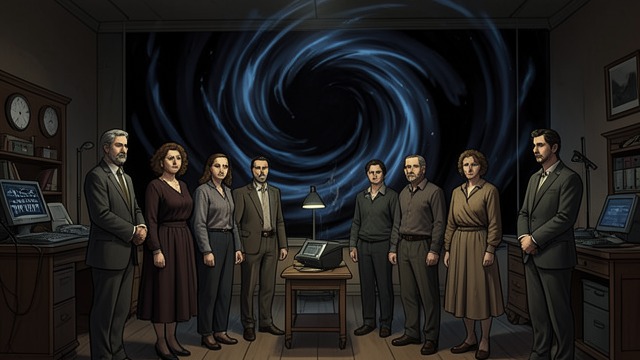
The book invokes the teaching that the struggle is not against flesh and blood but against principalities, powers, and spiritual wickedness. Human beings may appear in the foreground, yet they are not necessarily the origin of the conflict.
The Battlefield Reframed
This reframing turns ordinary frustration into Spiritual Warfare. It also prevents resentment toward people from becoming the reader’s main response, since the visible opponent may be only an instrument.
The principle prepares the reader to interpret biblical crises through an unseen battlefield.
Defeated Adversary

Defeated Adversary
Defeat Displayed
The book insists that Jesus Christ stripped Satan and Demons of their power through the Crucifixion and Resurrection of Jesus. The adversary remains active in the book’s account, but he is not presented as ultimately sovereign.
Courage After Victory
This distinction changes the reader’s posture from fear to resistance. Satan may cause trouble, yet his defeat has already been publicly exposed, giving believers grounds to act rather than merely endure.
The central conflict therefore contains a decisive victory before the reader’s personal struggle begins.
Named Culprit
Named Culprit
Recognition Before Release
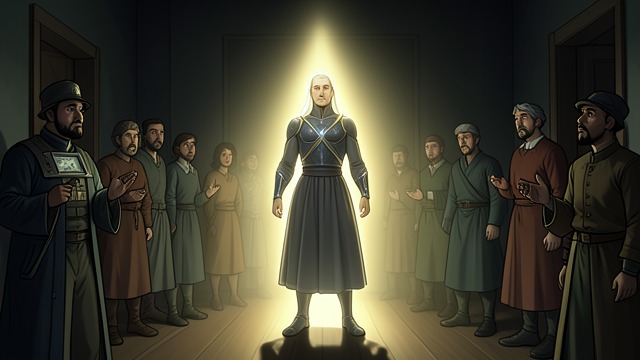
The book repeatedly argues that deliverance follows recognition. Once the true troublemaker is named, blame can be directed accurately and spiritual authority can be exercised against the destructive activity.
From Diagnosis to Action
This is more than a theory of causation. It becomes a practical method: identify Satan, refuse misplaced blame, and oppose him in the powerful Name of Jesus Christ.
The narrative movement leads from confusion toward deliberate confrontation.
Victory Declaration

Victory Declaration
A Public Confession
The final exhortation asks the reader to declare that Satan will no longer steal, deceive, or dominate. The confession turns the book’s teaching into a spoken act of resistance.
Authority Claimed
The ending presents victory as an alignment of belief, speech, and spiritual action. The reader is invited to stop blaming God, circumstances, or people and to stand against the named enemy.
The central flow closes with confrontation transformed into confidence.
opening pages
immediately after the opening claim
after the discussion of Jesus Christ’s resurrection
middle of the opening argument
closing pages
